Best Coffee Books for Beginners: Brew, Taste, Learn
What are the best coffee books for beginners?
If you’re just getting into coffee, the best beginner books do two things well: they teach repeatable brewing habits and they help you taste what you’re making. Our team’s favorite starting point is to choose one “skills” book (brew methods, grind, ratios) and one “coffee knowledge” book (beans, origins, processing). That pairing keeps you improving without getting overwhelmed.
Best beginner coffee books that teach fundamentals
“How to Make Coffee” by James Hoffmann is an approachable, visual guide to core methods like pour-over, French press, AeroPress, espresso, and more. It’s great when you want clear steps and practical troubleshooting.
“Craft Coffee” by Jessica Easto focuses on home brewing basics and common equipment in a friendly, low-jargon style. It’s especially useful if you’re learning what a burr grinder is and why it matters.
Best beginner coffee books for understanding beans and flavor
“The World Atlas of Coffee” by James Hoffmann helps you connect origin and processing choices to what ends up in your cup. If you’ve ever wondered why an Ethiopia tastes different than a Colombia, this is the beginner-friendly reference you’ll keep reaching for.
“The Coffee Roaster’s Companion” by Scott Rao can be a stretch for true beginners, but it’s a smart next step if you’re curious about roasting and how development affects sweetness, acidity, and bitterness.
Best beginner book for getting consistent at home
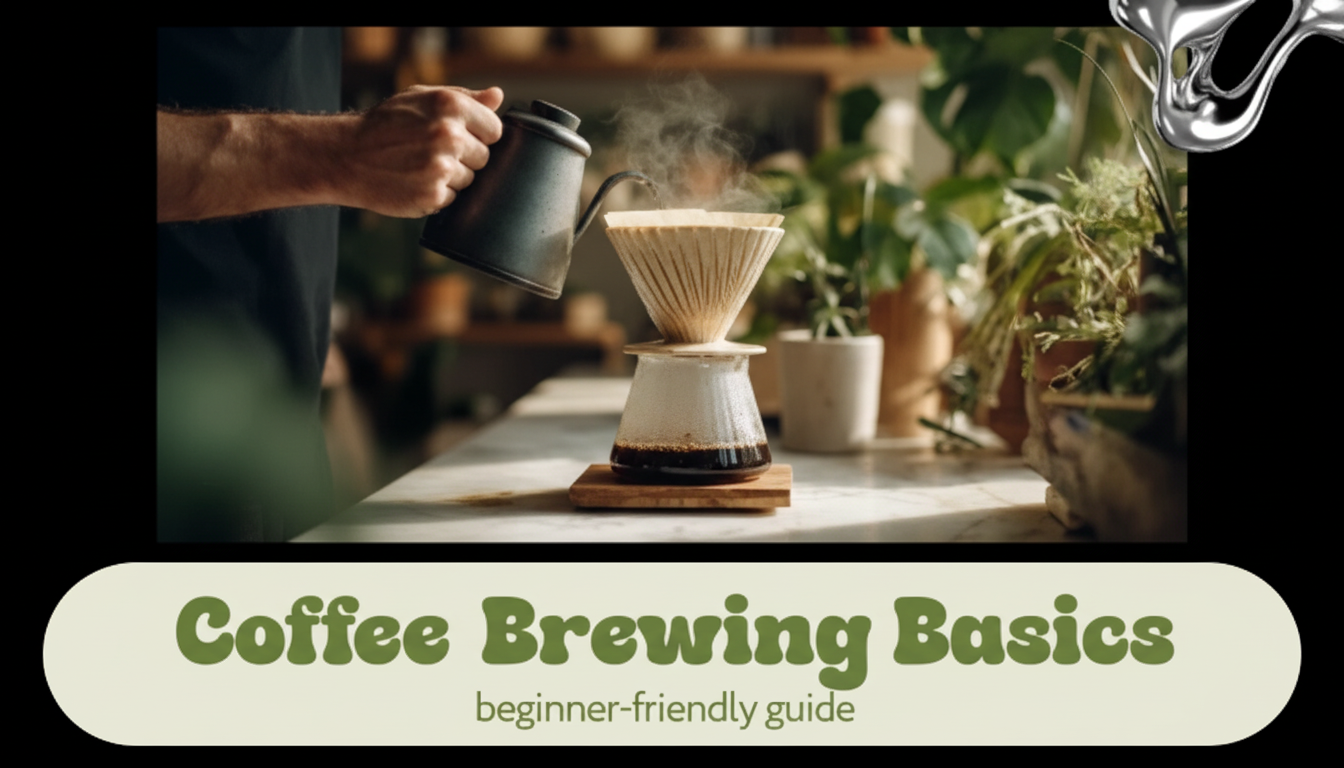
If consistency is your biggest hurdle, pair any of the books above with a simple ratios-and-grind framework. Our team put that into a practical guide you can use alongside your reading: Coffee Brewing Basics: Ratios, Grind, and Better Home Coffee.
How to pick the right first coffee book
Choose based on how you brew most often. Drip or pour-over brewers benefit from method-and-grind instruction, espresso beginners do best with a book that explains dialing in, and anyone buying whole beans should prioritize origin and freshness education.
FAQ
What’s the easiest way to start improving coffee at home without buying new gear?
Use a scale, keep your brew ratio consistent, and adjust grind size one step at a time until the cup tastes balanced. Even with basic equipment, steady measurements and small changes make the biggest difference.














Leave a comment