Multi-Cat Safety Guide: Automatic Self-Cleaning Litter Box
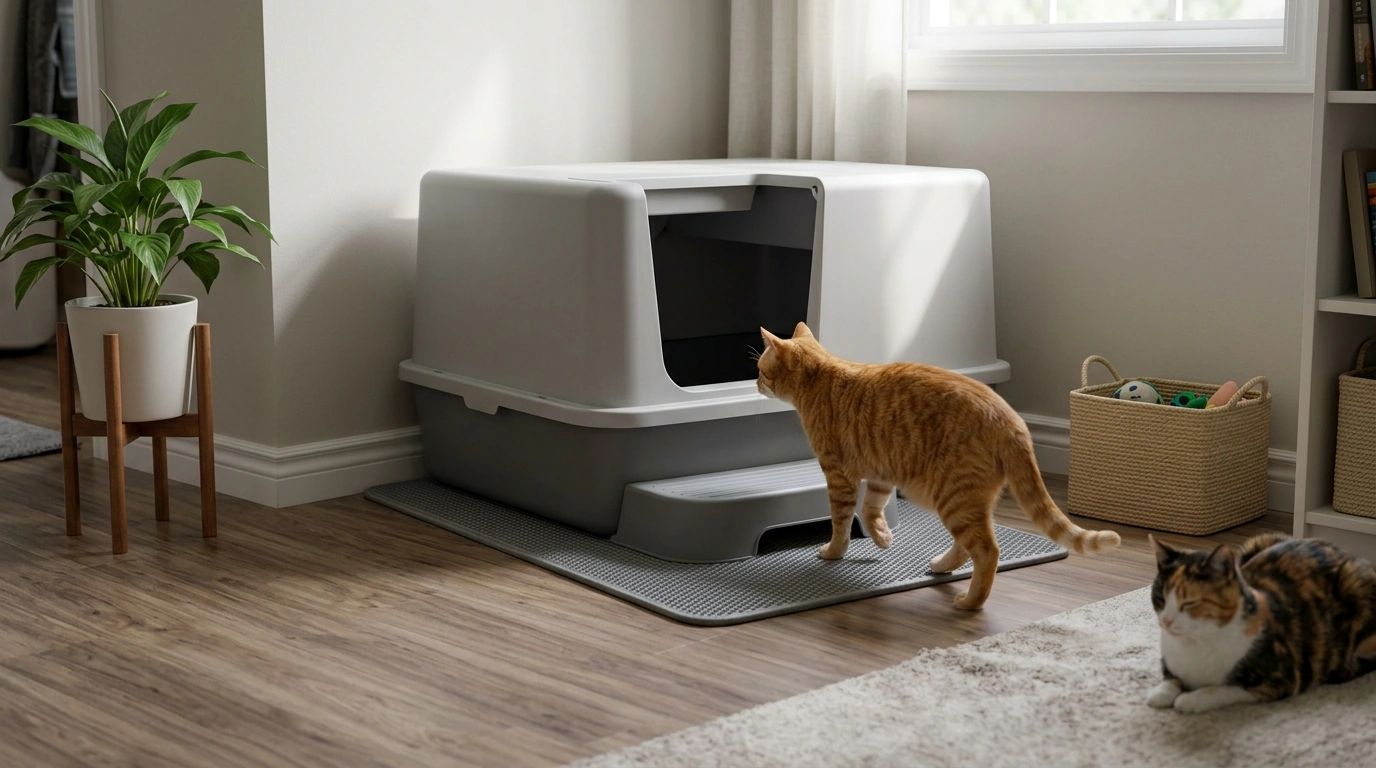
Automatic Self-Cleaning Litter Box with Safety Features for Multi-Cat Households
A busy home with more than one cat needs a litter setup that stays consistently clean without turning daily life into a scooping schedule. An automatic self-cleaning litter box helps keep odors down, litter more inviting between cleanings, and routines smoother—especially when multiple cats share the same space. The key is choosing a model designed with safety features that reduce the chance of accidental cycling, and using a setup routine that supports calm, confident litter box habits for every cat in the house.
Why multi-cat homes benefit from automatic cleaning
- Cleaner box access between manual cleanings: Frequent cycling helps reduce “box is too dirty” refusals and corner accidents.
- More consistent odor control: Regular waste removal makes the litter area more livable, especially in smaller homes and apartments.
- Less daily labor: Your routine shifts from constant scooping to simple check-ins (waste bin, litter level, quick wipe-down).
- Supports shared-use habits: When one cat goes right after another, a cleaner surface can reduce stress and avoidance.
If you’re seeing intermittent “protest peeing” or a cat hovering near the box but walking away, hygiene and traffic timing are often part of the story. Cornell’s Feline Health Center offers practical guidance on litter box issues that can help you separate behavior concerns from medical ones.
Cornell Feline Health Center — Litter Box Problems
Safety features that matter when several cats share one box
In multi-cat homes, safety isn’t just about preventing mishaps—it’s also about preventing fear. When a cat gets startled by movement, the box can become “the scary place,” and that’s when avoidance begins.
- Occupancy detection: Helps pause or prevent a cleaning cycle while a cat is inside, and reduces risk if a curious cat re-enters during the cycle window.
- Delay and anti-startle timing: A built-in delay gives your cat time to exit calmly before any motion begins.
- Pinch-point and obstruction protection: If something resists movement—like a tail investigation or a kitten climbing in—good systems are designed to stop rather than push through.
- Stable entry and footing: A steady base and secure threshold support confident use for cats of different sizes and ages.
- Reliable locks/secured access (where applicable): Helpful if you have kids in the home or frequent household activity that could bump or disrupt the unit.
For broader cat care and household routines (including stress reduction and health monitoring), these veterinary and welfare resources are worth keeping handy:
American Veterinary Medical Association (AVMA) — Cat Care
ASPCA — Cat Care
Placement and setup for harmony (and fewer accidents)
Even the best automatic box can fail a multi-cat household if it’s placed in a stressful location or introduced too quickly.
Daily, weekly, and monthly care that keeps the system working
Simple multi-cat maintenance rhythm
| Task | How often (typical multi-cat home) | What to look for | Why it matters |
|---|---|---|---|
| Empty waste drawer/bin | Every 1–3 days | Drawer nearing capacity, odor increase, clumps not dropping cleanly | Prevents backups and keeps odors from spreading |
| Top up litter to recommended level | 2–4 times per week | Low depth, wet spots, uneven leveling | Supports effective cleaning and comfortable footing |
| Wipe entry area and surrounding floor | Weekly | Tracked litter, urine splashes, dust buildup | Keeps the area inviting and reduces tracking |
| Inspect moving parts/sensor areas | Weekly | Litter lodged in seams, residue on key surfaces | Helps safety features and cleaning cycles work as intended |
| Deep clean per instructions | Monthly (or as needed) | Persistent odor, residue film, buildup in corners | Extends unit life and maintains freshness |
Helping every cat accept it (especially the cautious one)
When one automatic box isn’t enough
A ready-to-run option for multi-cat routines
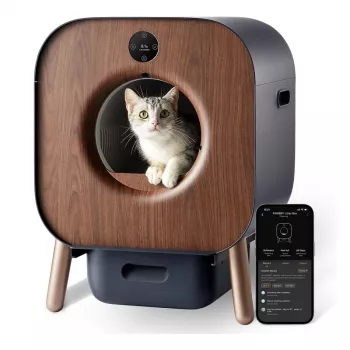
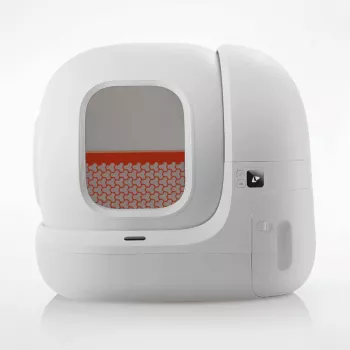
- Automatic Self-Cleaning Litter Box with Safety Features for Multi-Cat Households ($672.17) helps reduce daily scooping demands in high-traffic homes while prioritizing safer cycling behavior.
- If you’re building a calmer routine overall, some customers pair household upgrades with self-care basics like our Muscle Relaxation Toolkit for Total Tension Relief – 3-in-1 Bundle for Deep Muscle Relaxation ($307.99) to make the “daily maintenance loop” easier to stick with.
- For shared spaces where you want the litter zone to feel more intentional, our Vintage Resin Vase ($92.01) is an easy way to soften the look of a utility corner without getting in your cats’ way.
FAQ
Is an automatic self-cleaning litter box safe for a multi-cat household?
It can be safe when the unit includes occupancy detection and obstruction protection, and when you keep sensors and moving parts clear with regular maintenance. Introduce it gradually and supervise the transition so your cats don’t build a fear association with the cleaning cycle.
How many litter boxes are recommended for multiple cats if using an automatic one?
Many multi-cat homes do best with more than one option, especially if your cats have different personalities or there’s any tension. Some households manage with one automatic box, but adding a second litter station in another location can reduce crowding and conflicts.
What should be done if a cat is afraid of the automatic cleaning cycle?
Start by running the unit powered off or with automatic cycling disabled, then turn on delayed cycles once your cat is using it comfortably. Keep the area quiet, reward calm curiosity nearby, and consider offering a temporary second box while confidence builds.













Leave a comment