Autistic Kids and Strangers: Friendly or Missing Cues?

Are autistic kids friendly with strangers?
Some autistic kids can seem very friendly with strangers, while others avoid unfamiliar people entirely. Autism doesn’t automatically make a child “too friendly” or “unfriendly”—it can affect how they read social cues, understand boundaries, and respond to new situations. A child might approach a stranger confidently because they don’t recognize subtle warning signs, they’re excited to share an interest, or they’ve learned that adults are generally helpful.
It’s also common for autistic kids to communicate differently. For example, they might use scripted phrases, stand closer than expected, or keep talking even when the other person looks uncomfortable. These behaviors can be mistaken for being overly friendly, when they’re really signs of differences in social communication and sensory processing.
What parents can do to build safe, confident interactions
Friendly isn’t the problem—unsafe situations are. The goal is to teach “friendly with boundaries” in a way that feels clear and predictable.
Teach a simple rule for who helps
Many kids do better with concrete categories: “safe adults” (parent/caregiver, teacher, store employee with a name tag) versus “strangers.” Practice who they can ask for help in specific places like parks, stores, or school.
Use direct scripts and role-play
Short scripts can reduce confusion: “No thank you,” “I need to ask my grown-up,” and “Stop. Back up.” Role-play common moments—someone offering candy, asking for a hug, or requesting personal information—so the child can practice a response without pressure.
Set clear body-boundary expectations
Work on “personal space,” consent for touch, and private information (full name, address, phone number). Visual supports or social stories can make these rules easier to remember.
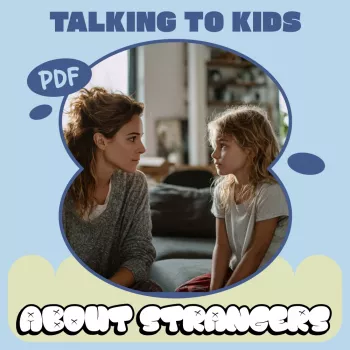
For practical, non-scary ways to talk about strangers while teaching safety skills, visit this guide on talking to kids about strangers without fear.
FAQ
How do I teach my child to be polite but not go with strangers?
Practice a clear script like “I can’t go with you. I need my grown-up,” and rehearse walking back to a designated safe adult. Pair it with a simple rule: they can be kind, but they never leave with someone without caregiver permission.














Leave a comment