Glow & Flow Lymphatic Self‑Massage Bundle: 10 Guides
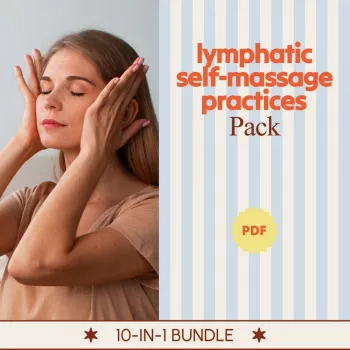
Lymphatic Self-Massage Practices Pack: A 10-in-1 Digital Wellness Bundle for Full-Body Glow & Flow
A steady, gentle self-massage routine can support comfort, relaxation, and a lighter-feeling body—especially when techniques follow the body’s natural lymph pathways. This digital bundle organizes full-body lymphatic self-massage into clear, repeatable practices with “glow & flow” self-care guides that fit busy schedules, from quick morning resets to slow evening wind-downs.
What lymphatic self-massage is (and what it isn’t)
Lymphatic self-massage uses light, rhythmic strokes designed to encourage fluid movement through superficial lymph vessels near the skin. Since these pathways sit close to the surface, the touch stays gentle—more about moving the skin than pressing into muscle.
It’s also important to separate lymphatic-style techniques from deep tissue massage. Deep tissue work aims at muscle tightness and trigger points; lymph-focused massage aims at flow and ease. Many people add it to their routine for post-workout comfort, temporary puffiness management, relaxation, and body-awareness rituals.
Because swelling can sometimes signal a medical issue, caution matters. If there’s unexplained swelling, an active infection/fever, a history of blood clots, uncontrolled heart conditions, or cancer-related lymphedema, get clinician guidance first. For a quick overview of what the lymphatic system does, see the Cleveland Clinic’s lymphatic system guide.
What’s inside the 10-in-1 Glow & Flow digital bundle
The Lymphatic Self-Massage Practices Pack (10-in-1 Digital Wellness Bundle) is built for at-home consistency. Instead of guessing the order of strokes or how light “light pressure” should be, you get structured sequences you can repeat and combine across the week.
- Structured full-body sequences that can be mixed and matched (face/neck, upper body, abdomen, legs, and recovery-focused options).
- Step-by-step guidance for order of strokes, pacing, and “pressure checkpoints” to keep touch gentle.
- Self-care companions that pair massage with supportive habits (hydration prompts, breath cues, and simple comfort routines).
- Digital-first convenience—repeatable reference material without needing appointments.
Bundle at a glance: practice types and when to use them
| Practice focus | Best time to try | Typical duration | What it may help with |
|---|---|---|---|
| Face & neck drainage | Morning or before events | 5–10 min | Temporary puffiness, relaxation, jaw/neck tension awareness |
| Upper body (collarbone/underarm pathways) | After desk work | 8–12 min | Shoulder/upper chest tightness, reset after long sitting |
| Abdominal gentle sequence | Evening wind-down | 5–10 min | Breath-led relaxation, body awareness (keep pressure very light) |
| Legs & feet flow | After standing or travel | 10–15 min | Heavy-feeling legs, post-activity comfort |
| Full-body “glow & flow” routine | 2–4x weekly | 20–30 min | Consistent self-care rhythm and overall relaxation |
A simple full-body routine (order matters)
Lymphatic-style self-massage tends to feel best when you follow an organized sequence instead of bouncing around. Think “make space first, then guide flow.”
- Start by “clearing” key regions with light strokes: collarbone area first, then neck, then underarms/groin depending on the sequence provided in the guides.
- Work proximal to distal and back again: begin closer to the torso before moving down the limbs, then guide strokes back toward the torso.
- Keep the touch feather-light and slow; redness or soreness usually signals too much pressure.
- Use 3–5 passes per stroke path rather than forcing speed; rhythm and consistency matter more than intensity.
- Finish with a minute of calm breathing and a glass of water to support an overall recovery routine.
Techniques that keep it gentle, effective, and comfortable
The most common mistake is treating lymphatic strokes like muscle work. A simple pressure check: imagine you’re moving skin, not kneading tissue. If your fingers feel like they’re “digging,” back off.
For general massage safety considerations (including when to pause), the NCCIH massage therapy overview is a useful reference.
Glow & flow habit stacking: making it easy to stay consistent
Safety notes and when to get professional input
Those with known lymphedema or a history of lymph node removal should follow individualized guidance from a qualified clinician. For symptoms and when to seek help, see the NHS overview of lymphoedema. If discomfort, bruising, or lingering tenderness shows up after self-massage, treat it as a signal to reduce pressure, shorten sessions, or pause entirely.
Digital bundle fit: who it’s best for
If your main goal is loosening tight muscles rather than a gentle flow-focused approach, consider adding the Muscle Relaxation Toolkit for Total Tension Relief – 3-in-1 Bundle alongside your lighter “glow & flow” sessions.
Shop the digital wellness bundles
- Lymphatic Self-Massage Practices Pack | 10-in-1 Digital Wellness Bundle for Full Body Lymphatic Drainage Massage, Glow & Flow Self-Care Guides
- Muscle Relaxation Toolkit for Total Tension Relief – 3-in-1 Bundle for Deep Muscle Relaxation
FAQ
How often can lymphatic self-massage be done?
Short, gentle sessions can often be done daily, while longer routines typically fit well 2–4 times per week. Keep pressure light and reduce frequency if your skin feels irritated or tender.
Should lymphatic self-massage hurt or leave bruises?
No—this style of self-massage should feel comfortable and soothing. Pain, redness that lingers, or bruising usually means the pressure is too strong, so lighten up, shorten the session, or pause.
What’s the best time of day to do a glow & flow routine?
Morning can be great for a refreshed, less puffy feel, while evening sessions often support relaxation and better wind-down. After travel or workouts can also feel especially comforting; consistency matters more than perfect timing.












Leave a comment