Portable Foldable Gas BBQ Grill with Temp Control Guide
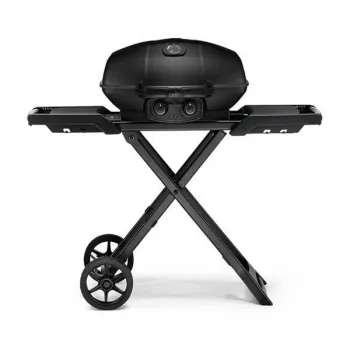
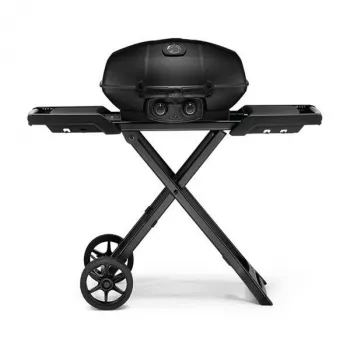
Deluxe Gas BBQ Grill: Portable & Foldable with Temperature Control
A portable grill should travel easily, light reliably, and hold steady heat when cooking for a few people. This deluxe gas BBQ grill combines a foldable design with temperature control so meals can move from campsite to patio without changing the cooking routine. The details below focus on what matters during real use: setup and storage, heat management, cooking performance, cleaning, safety, and when a foldable gas grill makes the most sense.
What Makes This Grill Different
- Portable, foldable build aimed at quick pack-up for tailgating, camping, balconies, and small patios.
- Temperature control for repeatable results across everyday foods like burgers, sausages, vegetables, and skewers.
- Gas cooking for faster preheat than charcoal and less mess during transport.
- Compact footprint that suits smaller gatherings while still making it realistic to grill protein and sides at the same time.
Foldable Portability: Setup, Storage, and Transport
Foldable grills are convenient when the “where” changes often: a campground today, a friend’s driveway tomorrow, then a small patio on the weekend. The best experience usually comes down to stability and a simple routine.
- Prioritize a secure fold/lock mechanism: it should feel tight and dependable so the grill stays stable while cooking and compact while carrying.
- Choose a flat, heat-safe surface: a level picnic table, patio pad, or grill stand helps prevent rocking and improves heat consistency across the grate.
- Keep a grab-and-go accessory kit: long tongs, heat-resistant gloves, a small brush/scraper, and a leak-check solution keep you ready without overpacking.
- Cool completely before folding: after cooking, let the grill fully cool before closing and storing; keep greasy tools sealed so vehicles and storage areas stay clean and odor-free.
Temperature Control and Heat Management
Portable doesn’t have to mean unpredictable. With temperature control, the goal is steady heat you can repeat from meal to meal.
- Create “two-zone” behavior: run one side hotter for searing and use a cooler area for finishing thicker cuts or holding food while other items cook.
- Preheat with the lid closed (when applicable): this stabilizes the cooking surface and reduces sticking—especially for fish and lean proteins.
- Make small adjustments: move the control gradually and wait a few minutes between changes so the grate temperature can catch up.
- Plan for weather: wind and cold can pull heat away. Set up in a sheltered spot while maintaining safe outdoor ventilation (never in enclosed areas).
Cooking Performance for Real-World Meals
Compact grills shine when the menu is simple and the timing is tight. Temperature control helps you keep the food moving without turning the cooking surface into a flare-up zone.
Burgers and sausages
Chicken and thicker cuts
Moderate heat tends to be more forgiving on portable grills. Use temperature control to avoid scorching the outside before the center reaches a safe internal temperature; a quick-read thermometer makes this much easier. For safe minimum internal temperatures, refer to the USDA guidance at USDA FSIS — Safe Minimum Internal Temperatures.
Vegetables and sides
Fish
Quick Reference: Portable Gas Grilling Checklist
| Stage | What to Do | Why It Helps |
|---|---|---|
| Before lighting | Check connections and confirm steady placement on a level surface | Reduces tipping risk and helps prevent gas leaks |
| Preheat | Heat with lid closed (if available) until the cooking surface is stable | Improves sear, reduces sticking, supports even cooking |
| During cooking | Make small temperature adjustments and give the grill time to respond | Prevents overshooting heat and burning |
| After cooking | Brush grates while warm; empty/clean drip area after cooling | Easier cleanup and fewer flare-ups next session |
| Packing up | Cool fully before folding; store greasy tools separately | Protects finish, avoids odors and mess during transport |
Cleaning and Maintenance for a Foldable Grill
Safety Notes for Portable Gas Grilling
- Outdoor use only: operate in well-ventilated outdoor areas—never inside tents, vehicles, garages, or enclosed balconies. For carbon monoxide safety basics, see CDC — Carbon Monoxide Poisoning Prevention.
- Maintain clearance: keep the grill away from flammables and allow space around it, especially near railings, siding, and low overhangs. General grilling safety guidance is available from NFPA — Grilling Safety.
- Leak-check after transport: follow manufacturer guidance to check connections before the first cook and after travel days.
- Transport fuel responsibly: follow local regulations and always let the unit cool fully before moving or folding.
Who This Grill Fits Best
Product Snapshot and Where to Buy
- Deluxe Gas BBQ Grill: Portable & Foldable with Temperature Control — built for travel-friendly grilling with adjustable heat.
- Luxury High-Back Recliner Sofa Set — a comfortable option for a patio or entertainment space after the cooking is done.
- Vintage Resin Vase — a simple decorative touch for outdoor tablescapes or balcony setups.
- Muscle Relaxation Toolkit for Total Tension Relief – 3-in-1 Bundle for Deep Muscle Relaxation — a practical add-on for recovery after long travel days, campsite setup, or extended prep.
FAQ
How long should a portable gas grill preheat before cooking?
Plan on several minutes, then start cooking once the heat feels stable across the grate. If the grill has a lid, preheating with the lid closed helps the surface heat evenly for better searing and less sticking.
How can flare-ups be reduced on a compact gas grill?
Trim excess fat, use moderate heat for fatty foods, and keep the grease/drip area clean so old drippings don’t ignite. If a flare-up starts, move food to a cooler spot and let the flames die down before continuing.
Is it safe to use a portable gas grill on a balcony?
It can be safe only if it’s truly outdoors with open ventilation and proper clearance from walls, railings, and anything flammable. Always check building/HOA rules and local fire codes, and never grill in enclosed or partially enclosed spaces.













Leave a comment