Smart Cart Checklist: 21 Simple Ways to Save on Groceries
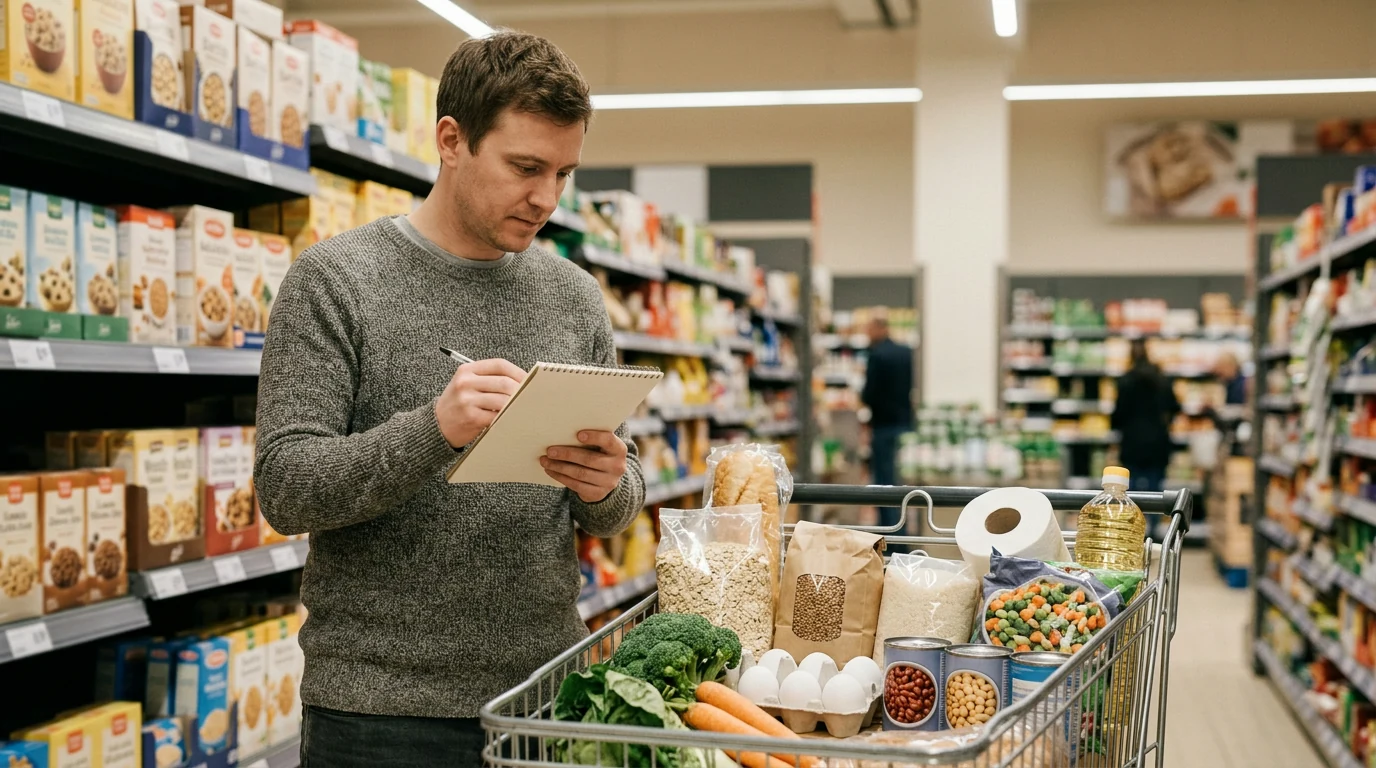
Smart Cart Checklist: 21 Easy Wins to Cut Grocery Costs Without Feeling Deprived
Grocery prices can drain a budget fast—especially when shopping happens on autopilot. A simple checklist can turn “grab what looks good” into a calmer routine that reduces impulse buys, cuts waste, and still keeps meals satisfying. The goal isn’t perfection; it’s building a repeatable rhythm that makes the cheaper choice the easier choice.
What drives grocery overspending (and how to stop it early)
Most grocery overspending isn’t about “willpower.” It’s about friction-free temptations and avoidable repeats that stack up trip after trip.
- Impulse triggers: endcaps, checkout snacks, and “limited-time” signs push quick decisions that bypass planning.
- Hidden repeat costs: duplicates happen when the pantry isn’t checked, or when perishables get overbought and tossed.
- Decision fatigue: too many choices leads to convenience buys, extra snacks, and costly last-minute swaps.
- The easiest fix: set rules before entering the store—budget cap, list boundaries, and meal anchors.
Stopping overspending early is mostly about deciding your “yes” and “no” before the first aisle. That way, the store layout can’t steer the cart as easily.
The 21 easy wins mindset: small rules that add up
“Easy wins” are small rules you can follow on busy weeks—no elaborate meal prep, no spreadsheet-level tracking. They work because they reduce choices and prevent the most common money leaks.
- Treat the list as a boundary: buy only items that match a meal, a planned staple, or a true household need.
- Pick 2–3 anchor meals: build the cart around proteins, veggies, starches, and sauces you’ll actually use.
- Use a one-treat rule: choose one fun item per trip instead of several impulse snacks.
- Separate needs from wants by aisle: start with produce/protein, then pantry, then extras last.
- Aim for “good enough” swaps: store brands, frozen produce, and seasonal picks can keep quality high and costs lower.
Easy wins that reduce the total without reducing meals
| Easy win | What to do in under 60 seconds | Why it works |
|---|---|---|
| Check pantry/fridge before leaving | Snap a quick photo of shelves and produce drawer | Prevents duplicate buys and reduces food waste |
| Set a cart rule for snacks | Pick one snack category for the week | Cuts impulse spending while keeping a planned treat |
| Choose one “flex” dinner | Plan a leftover or breakfast-for-dinner night | Creates buffer so nothing goes to waste |
| Buy frozen when fresh is pricey | Swap berries/veg to frozen bags | Locks in price stability and extends shelf life |
| Shop the unit price | Compare cost per ounce/pound on the shelf tag | Finds the true value even when packaging is smaller |
Before the store: a 10-minute setup that saves hours and dollars
A short pre-shop routine keeps your cart from turning into a “maybe” pile.
- Do a fast inventory: identify three items that must be used soon (produce, dairy, leftovers).
- Plan around what’s already on hand: build meals that use what you’ve got to avoid “just in case” extras.
- Write a short list by categories: produce, protein, pantry, dairy, freezer, household.
- Set a spending guardrail: pick a total budget or a per-person cap that feels realistic for the week.
- Eat something first: shopping hungry is basically inviting snack grabs.
If food storage is a pain point, the USDA FoodKeeper App can help estimate how long common foods last so you can buy (and store) with fewer surprises.
In the store: cart control without feeling restricted
Restrictions tend to backfire when they feel like deprivation. Cart control works better when it’s framed as priorities: feed yourself well first, then decide what’s left for extras.
When prices feel unpredictable, it can help to remember that broader food price trends are tracked over time (see the U.S. Bureau of Labor Statistics Consumer Price Index), so building flexible habits (like swapping formats and leaning on staples) keeps you steadier week to week.
After the store: make the food last longer
For safe storage basics (especially for leftovers and fridge/freezer handling), the FDA’s food safety guidance is a solid reference.
Printable support: turn good intentions into a repeatable routine
Get the Smart Cart Checklist (printable PDF)
If a simple structure would help you spend less without cutting satisfaction, the Smart Cart Checklist: 21 Easy Wins to Slash Your Grocery Bill (Printable PDF + Instant Download) is built for real life: minimal planning, fewer impulse buys, and less food waste—starting on your next trip.
FAQ
How much can a grocery checklist realistically save?
Many households can save roughly 5%–20% depending on how much of their current total comes from impulse items, convenience foods, and wasted perishables. For example, skipping two unplanned snacks ($10–$15), swapping one premium convenience item ($3–$6), and preventing one forgotten produce bag from going bad ($4–$8) can add up quickly in a single week.
Does this work for families and picky eaters?
Yes—use 2–3 “safe meals” everyone will reliably eat, rotate familiar staples, and plan one flexible night for leftovers or breakfast-for-dinner. The checklist helps limit extras while still keeping preferred foods in the plan so nobody feels like meals got downgraded.
What if there’s no time to meal plan?
Keep it minimal: pick three anchor meals, choose five versatile ingredients (like eggs, rice, frozen veg, a protein, and a sauce), and rely on quick options you can remix. The checklist speeds things up over time because it reduces repeat decisions and prevents you from starting from scratch every trip.















Leave a comment