Safest, Healthiest Cat Food: Label Checklist & Tips
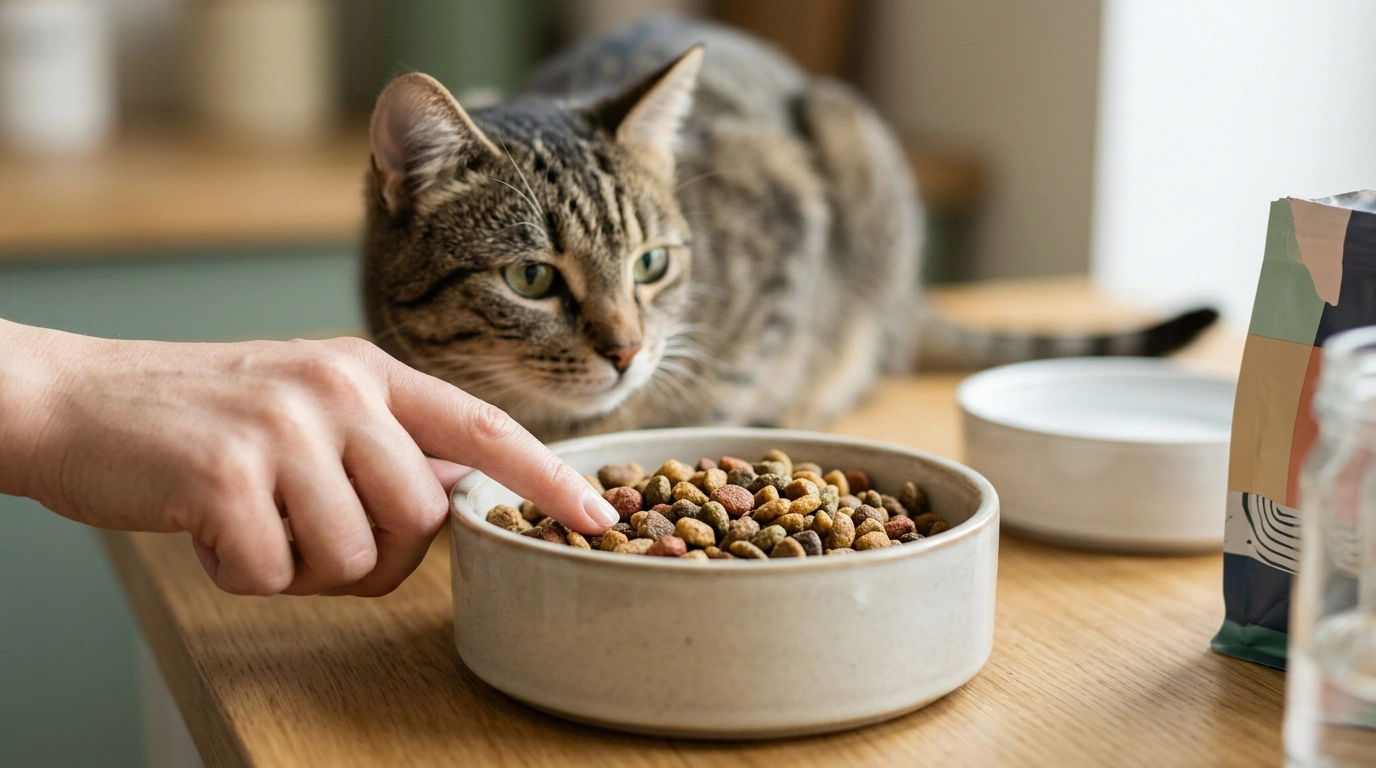
What is the safest and healthiest cat food?
The safest and healthiest cat food is one that’s complete and balanced for your cat’s life stage, made with high-quality animal-based protein, and free from ingredients known to be risky for cats. Look for a statement on the label confirming it meets AAFCO nutritional standards (or is formulated to meet a recognized equivalent), and choose a recipe appropriate for kittens, adults, or seniors.
What to look for on the label
Start with a named animal protein (like chicken, turkey, salmon, or beef) as a primary ingredient. Cats are obligate carnivores, so diets centered on animal protein and fat generally align best with their needs. A clear “complete and balanced” claim for the correct life stage helps ensure essential nutrients like taurine, arachidonic acid, and key vitamins/minerals are included in safe amounts.
Wet vs. dry: which is healthier?
For many cats, wet food can be a strong choice because it adds moisture, which supports hydration and urinary tract health. Dry food can also be healthy when it’s complete and balanced, but some cats do better with a mix (or a primarily wet diet) depending on hydration, weight goals, and medical history. If your cat has kidney, urinary, or weight concerns, ask a veterinarian which format and calorie target fit best.
Ingredients and foods to avoid
Safety also means avoiding known toxic or problematic foods. Never feed cat food or treats containing onion, garlic, grapes/raisins, xylitol, alcohol, or excessive salty seasonings. For a practical list of toxic foods and safer treat ideas, see this guide to toxic foods for cats and what to avoid.
How to choose the best option for your cat
Pick a reputable brand with quality control practices, then match the formula to your cat’s age, activity level, and sensitivities. Transition gradually over 7–10 days to reduce stomach upset, and monitor coat condition, stool quality, energy, and weight to confirm the food is working well.
FAQ
What human foods are safe for cats as occasional treats?
Plain cooked meat (like chicken or turkey), small amounts of cooked egg, and a bit of plain pumpkin can be safe for many cats. Keep portions tiny, avoid seasoning, and stop if any vomiting or diarrhea occurs.















Leave a comment