Decorating Styles Guide: Choose, Blend, and Stay Cohesive
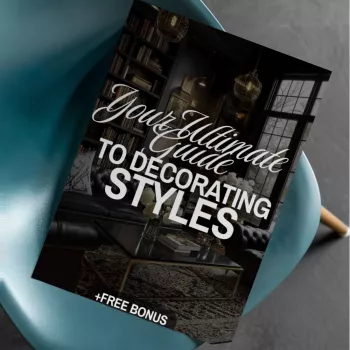
Your Ultimate Guide to Decorating Styles: Find Your Home Aesthetic and Make It Feel Cohesive
Decorating styles can feel overwhelming when inspiration is everywhere and rooms need to function in real life. This guide breaks down the most common home decor styles, the signature elements that define them, and simple ways to choose (or blend) a look that fits the space, budget, and lifestyle. For more guidance, see Books and eBooks – Interior Design Research Guide.
Start With a Style Snapshot: What Actually Defines a Decorating Style
A decorating style is a repeating set of choices—shapes, materials, colors, patterns, and how “busy” or minimal a room feels. The fastest way to recognize a style is by its furniture silhouettes (curved vs. straight, low vs. tall), finishes (matte, glossy, distressed), and textiles (linen, velvet, leather, boucle). For further reading, see The Best Interior Design Books.
Most homes aren’t a single style, and they don’t need to be. A practical approach is to choose one base style for cohesion and one accent style for personality without visual chaos.
Before picking any aesthetic, define non-negotiables: pets, kids, allergies, sunlight, storage needs, and whether the home is mostly open-plan or room-by-room. These realities influence everything from fabric choices to how much open shelving actually works.
A Quick Style Finder: Pick Your Base in 5 Minutes
If the options feel endless, narrow them quickly with five decisions:
- Choose three mood words: calm, cozy, bold, airy, moody, glamorous, rustic, playful, refined, collected.
- Decide your clutter tolerance: minimal (few objects), curated (some objects), collected (many meaningful objects).
- Pick a color approach: neutrals-only, neutrals + one accent, or layered color across multiple hues.
- Pick a texture approach: smooth and sleek, soft and plush, or natural and tactile.
- Match the architecture: lean into existing details (molding, beams, brick, ceiling height) instead of fighting them.
Decorating Styles and Their Signature Elements
Use these quick signatures to identify what you’re drawn to (and what to shop for):
- Modern: clean lines, minimal ornamentation, purposeful negative space, neutral palettes with strong contrast.
- Contemporary: current interpretations, mixed materials, flexible color stories, often softer than modern.
- Minimalist: edited furnishings, hidden storage, quiet palettes, emphasis on light and proportion.
- Scandinavian: pale woods, functional pieces, warm minimalism, cozy textiles, simple forms.
- Mid-Century Modern: tapered legs, organic curves, warm woods, graphic patterns, iconic silhouettes.
- Industrial: exposed materials (metal, concrete, brick), utilitarian lighting, raw textures, reclaimed accents.
- Traditional: classic profiles, symmetry, layered textiles, timeless patterns, warm wood tones.
- Transitional: traditional comfort with cleaner lines, neutral palettes, subtle texture, balanced mix.
- Farmhouse (modern farmhouse): approachable comfort, shiplap and simple trim, aged finishes, practical pieces.
- Rustic: rugged woods, stone, earthy palettes, handcrafted elements, nature-forward textures.
- Bohemian: layered patterns, collected objects, global influences, plants, relaxed and colorful styling.
- Coastal: airy neutrals, blue/sea-glass accents, natural fibers, light woods, casual comfort.
- Glam: reflective surfaces, plush fabrics, dramatic lighting, metallic accents, high contrast.
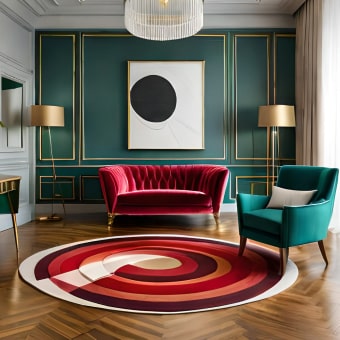
- Art Deco: geometric motifs, rich color, lacquered finishes, bold symmetry, statement lighting.
- Japandi: Japanese simplicity + Scandinavian warmth; natural materials, low profiles, calm neutrals, intentional pieces.
For deeper background on major categories and where they came from, see Architectural Digest’s overview of interior design styles and Encyclopaedia Britannica’s Art Deco reference.
Style Cheat Sheet: Mood, Materials, and Go-To Colors
| Style | Overall mood | Common materials | Typical palette |
|---|---|---|---|
| Scandinavian | Light, cozy, practical | Pale wood, wool, linen, matte ceramics | White, greige, soft black, muted pastels |
| Mid-Century Modern | Retro, warm, graphic | Walnut/teak, leather, brass, molded plastic | Warm woods, olive, mustard, teal, cream |
| Industrial | Raw, urban, sturdy | Steel, concrete, reclaimed wood, exposed brick | Charcoal, black, rust, weathered neutrals |
| Traditional | Classic, layered, refined | Dark/medium woods, cotton, brass, patterned textiles | Cream, navy, burgundy, forest green |
| Japandi | Calm, natural, minimal-warm | Light wood, stone, linen, clay, paper | Warm neutrals, taupe, black accents |
How to Mix Styles Without Making the Room Feel Random
Room-by-Room Styling Moves That Make Any Style Feel Intentional
Budget-Friendly Upgrades That Shift the Whole Aesthetic
Bring the Styles to Life With the eBook
If choosing a style feels slippery—especially when saving inspiration from multiple sources—use Your Ultimate Guide to Decorating Styles: Explore Types of Home Decor Styles eBook for Every Home Aesthetic as a quick reference for picking a base style, building a palette, and keeping furniture silhouettes consistent from room to room.
Style-Forward Product Picks to Complement a Finished Look
- Statement seating sets the tone: In a large living room, a high-back silhouette leans formal and dramatic. The Luxury High-Back Recliner Sofa Set can help anchor a traditional, glam, or transitional direction—especially when the rest of the room stays quieter.
- Add a sculptural “pause”: A single artful accessory reads intentional on consoles, shelves, and dining tables. The Vintage Resin Vase works particularly well in transitional, traditional, rustic, and modern spaces because the shape does the talking.
- One hero per surface: Keep breathing room around a statement object so it looks curated, not crowded.
FAQ
How can a home have one style if each room needs something different?
Use a consistent base palette across the home and repeat 2–3 materials/finishes (like a primary wood tone, one metal, and one textile family). Then vary accent colors and textures by room function so spaces feel distinct without looking unrelated.
What’s the easiest way to tell the difference between modern and contemporary decor?
Modern typically refers to a specific design era with cleaner lines and a more “rules-based” look. Contemporary reflects what’s current, so it can mix influences and often feels softer and more flexible than modern.
How many colors should be in a cohesive decorating palette?
A simple approach is the 60/30/10 rule: 60% dominant color (often a neutral), 30% secondary color, and 10% accent. In practice, 3–5 total colors including neutrals works well, with one accent repeated throughout for continuity.










Leave a comment