All-Day Skin Hydration: Layering That Actually Lasts
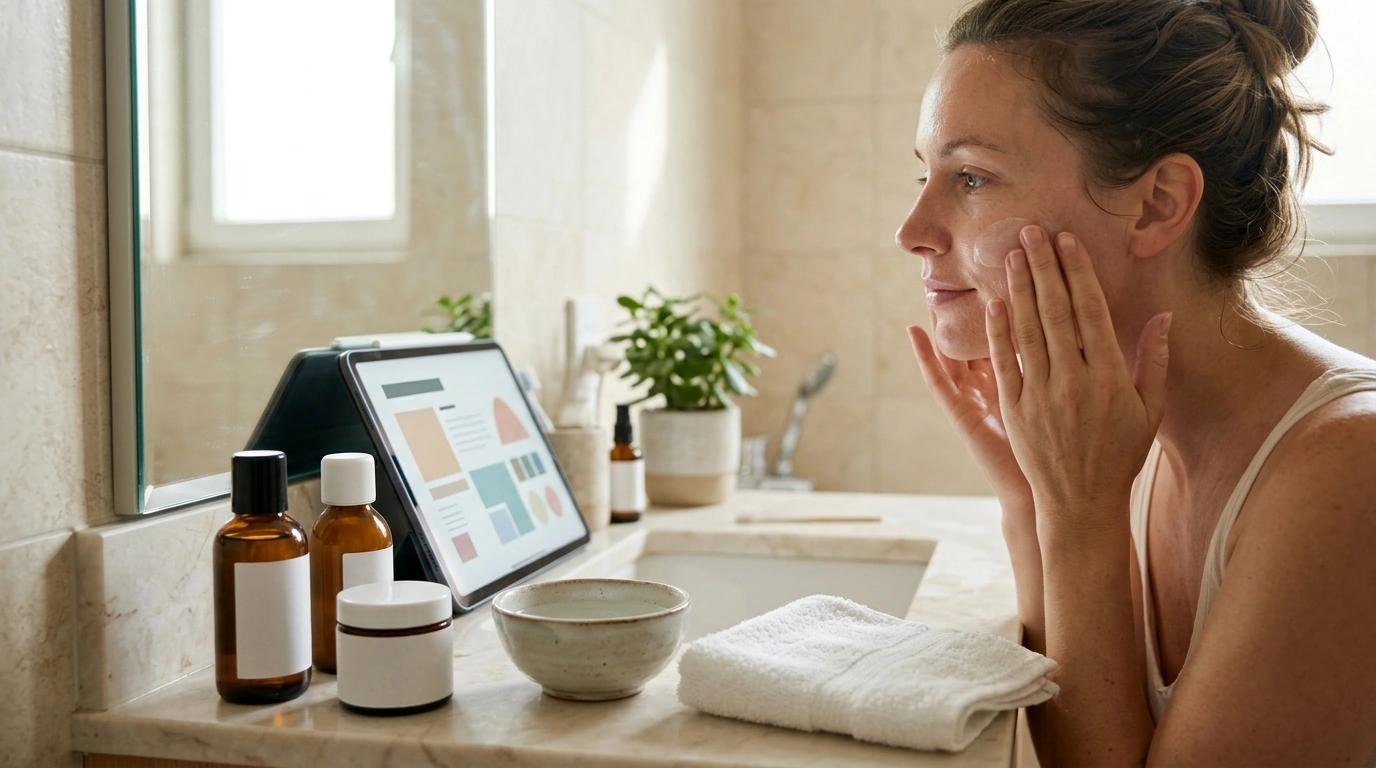
Hydration That Lasts: Keeping Skin Comfortable and Plump All Day
Skin that feels tight by noon usually needs a better hydration strategy, not just a heavier cream. Long-lasting hydration comes from layering water-binding ingredients, sealing them in with barrier-supporting lipids, and reducing everyday moisture loss from cleansing, climate, and friction. Below, you’ll find what commonly dehydrates skin, how to build a routine that holds up from morning to night, and how to adjust for weather, makeup, and sensitive or acne-prone skin.
Why skin feels dry again so quickly
Your skin can look “moisturized” right after application and still feel parched hours later because water is constantly evaporating from the surface. This is called transepidermal water loss (TEWL), and it tends to climb when the barrier is stressed by harsh cleansers, over-exfoliation, or irritating actives. Cleveland Clinic explains TEWL and why it matters for comfort and barrier function (source).
It also helps to separate two overlapping issues:
- Dehydrated skin: low water content; can happen even if you’re oily.
- Dry skin: low oil/lipid content; often feels rough or flaky and needs more barrier lipids.
Everyday factors quietly pull moisture out: indoor heating and AC, wind, low humidity, hot showers, and frequent washing. And even a routine full of “hydrating” products can fail if the water-binding steps aren’t sealed with an occlusive layer to slow evaporation.
The hydration stack: humectants, emollients, occlusives
Think of all-day hydration as a three-part stack. You add water, support the surface, and then seal it in.
- Humectants draw and hold water in the upper layers (glycerin, hyaluronic acid, panthenol, low-% urea, aloe).
- Emollients soften and smooth by filling microscopic gaps between skin cells (squalane, fatty alcohols, plant oils, cholesterol).
- Occlusives reduce TEWL by forming a protective layer (petrolatum, dimethicone, mineral oil, beeswax).
Quick ingredient guide for all-day hydration
| Layer | What it does | Common ingredients | Best time to use | Notes for sensitive/acne-prone skin |
|---|---|---|---|---|
| Humectant | Binds water to hydrate | Glycerin, hyaluronic acid, panthenol, urea (2–10%) | After cleansing; before moisturizer | Choose fragrance-free; urea can tingle on compromised skin |
| Emollient | Softens and supports barrier feel | Squalane, ceramides, cholesterol, fatty alcohols | Moisturizer step | Look for ceramides + cholesterol for barrier repair |
| Occlusive | Seals hydration and reduces TEWL | Petrolatum, dimethicone, mineral oil | Last step; spot “slugging” at night | Use thin layers; avoid heavy occlusion over active breakouts |
Morning routine that stays comfortable until night
A morning routine for lasting hydration isn’t about piling on products—it’s about timing, layering, and avoiding early barrier stress.
- Cleanse gently. Use lukewarm water and a mild, low-foaming cleanser. If you wake up reactive or tight, rinsing with water (or skipping cleanser) can be enough.
- Apply humectants to slightly damp skin. This improves slip and can reduce that “instant tightness” feeling.
- Moisturize immediately. In dry climates, reach for a ceramide-rich cream. For oily skin, a gel-cream with glycerin plus lightweight emollients often feels comfortable without heaviness.
- Seal strategically. If shine is a concern, add a thin occlusive only on the driest zones (cheeks, around the mouth) rather than the entire face.
- Let sunscreen do some of the work. Many formulas create a flexible film that can help reduce water loss; apply it as the final step.
For additional guidance on dry skin care basics and gentle habits that protect the barrier, the American Academy of Dermatology has a helpful overview (source).
Night routine for barrier repair and next-day hydration
Night is when your routine can focus on recovery—especially if daytime conditions (AC, commuting wind, frequent hand/face washing) drain moisture.
If you deal with eczema-prone or highly reactive skin, the National Eczema Association’s moisturizer guidance is a practical reference for barrier-first choices (source).
Hydration boosters beyond skincare
Common mistakes that sabotage hydration
Makeup and hydration: preventing midday cracking and patchiness
A simple plan for different skin types
A step-by-step digital guide for building a routine that holds up all day
If you want a clear “what goes where” map (without turning your bathroom counter into a chemistry lab), Hydration That Lasts – How to Keep Skin Hydrated All Day | Digital Skincare Ebook Guide organizes hydration into a practical routine flow: order of application, seasonal swaps, and skin-type adjustments. It also includes troubleshooting checklists for midday tightness, flaky makeup, over-exfoliation, and early barrier-damage signals.
For a broader self-care angle—especially if facial tightness pairs with neck/jaw tension from dry air and long screen days—consider pairing your hydration routine with the Muscle Relaxation Toolkit for Total Tension Relief – 3-in-1 Bundle for Deep Muscle Relaxation as an at-home wind-down option.
FAQ
How can skin stay hydrated all day without feeling greasy?
Use lightweight humectants (like glycerin) under a gel-cream moisturizer, then seal only the driest zones with a thin occlusive. A comfortable, non-greasy sunscreen as your last step can also help reduce moisture loss.
Does hyaluronic acid dry out skin in low humidity?
It can feel tight if it’s applied to completely dry skin and not sealed afterward. Apply it to slightly damp skin, then follow with moisturizer (and a light occlusive if needed) to slow evaporation.
What’s the fastest way to fix tight, dehydrated skin after over-exfoliating?
Pause strong actives for several days, cleanse gently, and use a barrier-repair moisturizer with ceramides/cholesterol. Add short-term targeted occlusion on irritated dry patches; if burning, swelling, or a rash persists, consider checking in with a dermatologist.
















Leave a comment