Best Way to Clean Your Cat: Wipes, Water or Shampoo
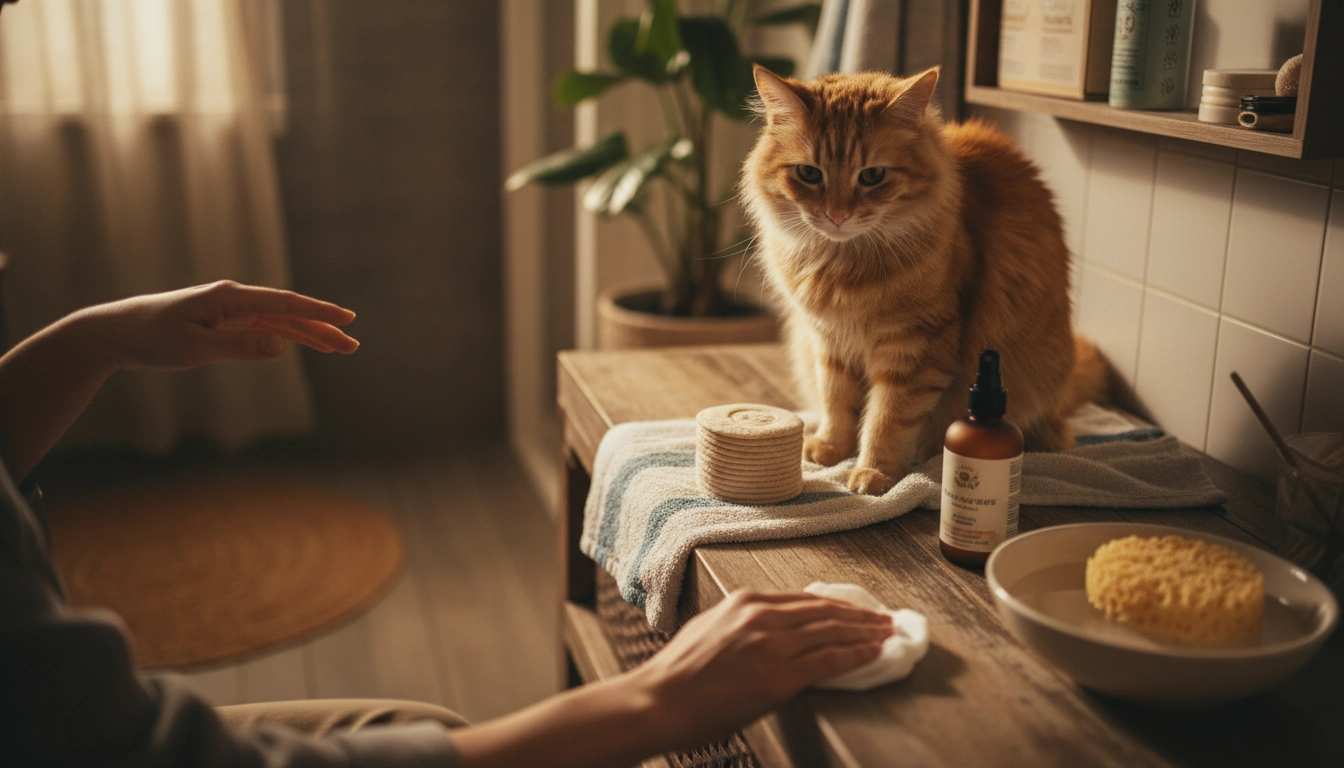
What is the best thing to clean your cat with?
Most cats stay clean through self-grooming, so the “best” thing to clean your cat with is usually the gentlest option that matches the mess: a damp, lukewarm microfiber cloth for spot-cleaning, unscented cat-safe grooming wipes for quick touch-ups, and a cat-specific shampoo only when a true bath is necessary. Human shampoos, dish soap, and heavily fragranced wipes can irritate skin and strip natural oils, leading to itching, dandruff, or overgrooming.
Best everyday option: spot-clean with water
For small dirty areas (dust, light food smudges, litter residue), use a soft cloth or cotton pad dampened with plain lukewarm water. Wipe with the direction of the fur, then gently towel-dry. This is low-stress, avoids fragrance and residue, and is safe if your cat licks afterward.
Best quick-fix option: unscented cat grooming wipes
If water isn’t enough, choose wipes labeled for cats, fragrance-free (or very lightly scented), and alcohol-free. These are helpful for senior cats, post-litter-box cleanup, or between grooming sessions. Avoid wipes containing essential oils (like tea tree), which can be risky for cats.
Best “mess emergency” option: cat-specific shampoo
When your cat gets into something sticky, greasy, or potentially irritating, a bath may be the cleanest solution. Use a cat shampoo or “kitten-safe” shampoo, dilute if directed, rinse extremely well, and dry thoroughly. If the substance could be toxic (paint, chemicals, certain oils), contact your vet before bathing.
Don’t forget the tool that prevents most cleaning: a brush
Regular brushing removes loose hair and dander, reduces mats, and keeps oils distributed so your cat stays cleaner longer. Brush type matters: slicker brushes help with shedding, while combs are better for catching tangles early.
For a simple routine that covers brushing, spot-cleaning, bathing, and upkeep, follow the complete guide here: cat hygiene maintenance checklists and routine.
FAQ
How often should you bathe a cat?
Most cats rarely need baths; many do well with only spot-cleaning and brushing. Bathe only when your cat is visibly dirty, greasy, or has gotten into something that can’t be safely wiped away.
















Leave a comment